

The Science Behind Casino Design
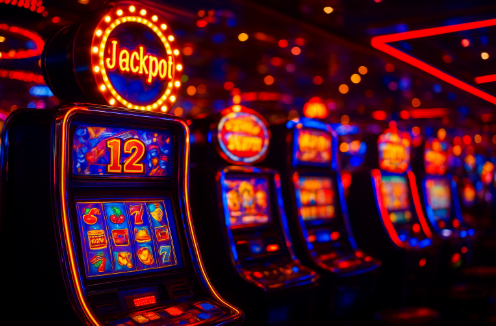
From the flashing lights of slot machines to the cheerful jingles after every win, casinos—both physical and online—are carefully engineered environments. The goal isn’t just to entertain but to create a sensory experience that keeps players engaged longer. Psychologists call this “environmental conditioning,” where sound, light, and color subtly influence human behavior.
According to research published in the Journal of Gambling Studies (2023), electronic gaming machines use a combination of reward-based audio cues and dynamic lighting to stimulate excitement and anticipation. These cues mirror how the brain responds to other rewarding experiences—by triggering the release of dopamine, the neurotransmitter associated with pleasure and motivation.
The Role of Sound: More Than Just Noise
Every sound in a casino serves a purpose. Slot machine “win” tunes, background music, and even the general hum of the gaming floor are crafted to create a feeling of continuous activity.
A 2023 study by Dixon et al. found that players exposed to winning sounds and faster-paced music tend to play more rounds and perceive their experience as more enjoyable—even when their actual winnings are lower. This phenomenon is known as the “illusion of control,” where sound gives players a sense of success and momentum.
In online casinos, sound design is equally deliberate. Digital slot games often feature escalating tones or celebratory music after small wins to mimic the sensory feedback of real machines. These effects help replicate the physical casino experience on screens and mobile devices.
Bright Lights and Visual Triggers
Casinos use lighting to set the mood, guide attention, and keep players alert. In physical venues, bright, warm lighting near slot machines and dimmer lighting in other areas subtly encourages people to stay where the action is most profitable.
A 2022 study in Frontiers in Psychology demonstrated that red and gold lighting increases arousal and engagement, while blue lighting tends to promote calmness. Casinos often use warm tones to maintain a lively, high-energy atmosphere.
Online casinos apply similar principles through flashing animations, reward pop-ups, and colorful game interfaces that celebrate wins. These visual cues encourage continued play by tapping into the brain’s natural response to motion and color contrast.
Ethical Considerations and Player Awareness
While these design strategies are effective, they’ve raised ethical questions. Behavioral scientists like Dr. Natasha Dow Schüll, author of Addiction by Design, argue that such environments can exploit psychological vulnerabilities, especially for individuals prone to compulsive behavior.
In response, regulated casinos have begun implementing responsible gaming features—like customizable spending limits, self-exclusion options, and reminders that track playtime. These tools aim to balance entertainment with protection against excessive play.
Conclusion
The lights and sounds of casino gaming aren’t random; they’re the result of decades of research into human behavior and sensory psychology. Understanding how these cues influence emotions can help players approach gambling with greater awareness and control.
For those who want to explore how these design elements are evolving in the online space, casino whizz com offers reviews and insights into modern casino platforms and their responsible gaming measures.