

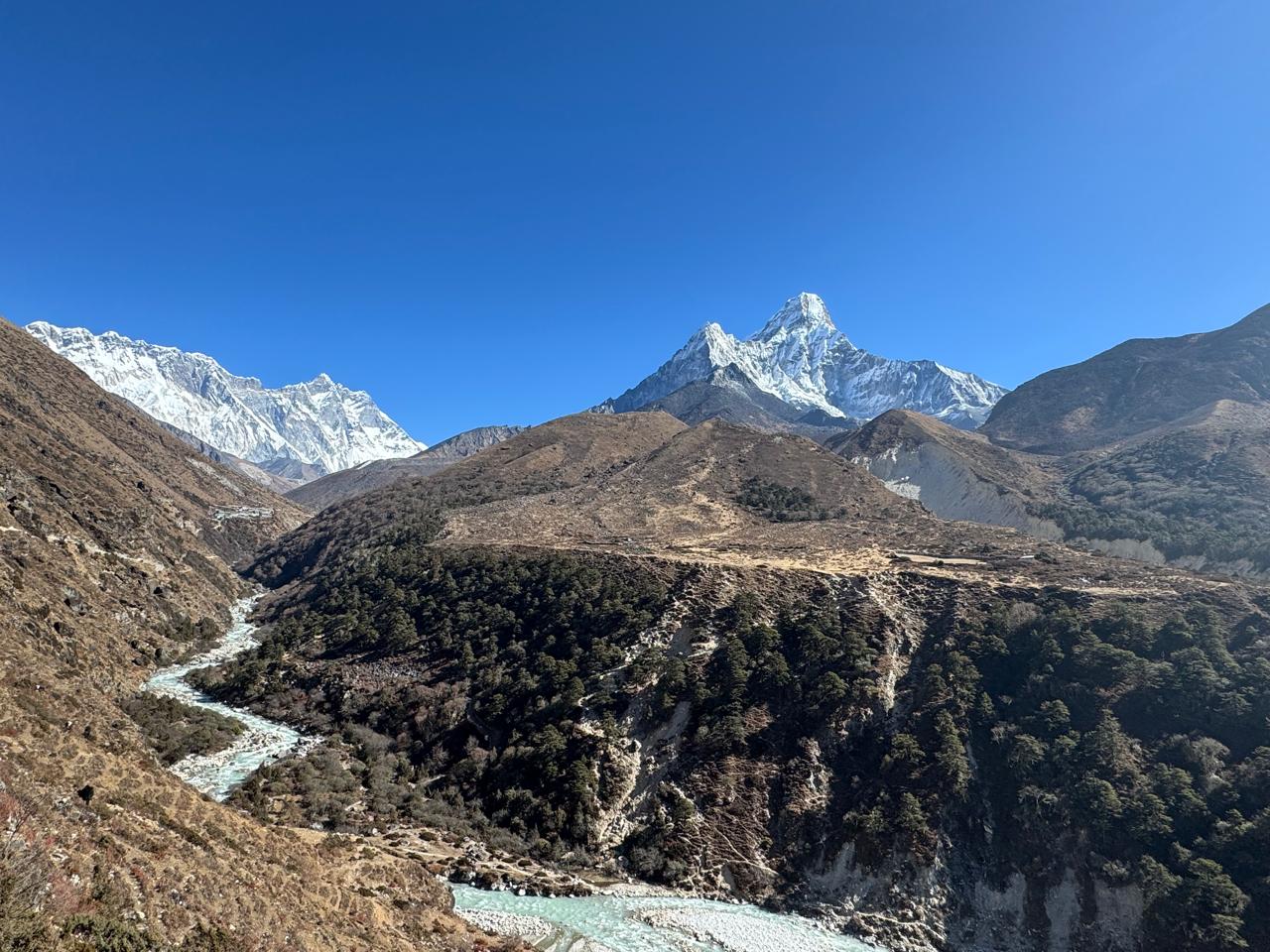
Everest-Base- Camp (EBC) trek is a lifetime mountain adventure journey of great superlatives for most people on this planet to see, experience, feel, and enjoy! It’s not a technical climb, but one that is wonderful if you’re in reasonably good shape and cosmically acclimatized. You will be oxygen deprived, confused by near-freezing temperatures, and essentially climbing hill sides when you ascend above 17,598 feet (5,364 meters). Alternatively, other dangers held for unprepared and unprepared hikers are altitude sickness, tired and blistered feet, the duo said.
So here in this article, we have broken down the best ways to prep train for high-altitude training before your Everest Base Camp Tour and to make sure you’re in a great physical shape to deal with all the trek throws at you.
It’s a necessity to HAT.
Well, if you breathed in air at a high elevation, the air wouldn’t contain that much oxygen. It’s this lack of free oxygen that ends up giving us altitude sickness or Acute Mountain Sickness (AMS) even in the most peak fit people. And as for symptoms: headaches, nausea, dizziness, and being out of breath. If you prepare yourself for altitude, you are improving your chances of acclimating easily and well, and decreasing your risk of AMS.
Prepping for the high altitude isn’t all cardio. Tepidation is true for that, obviously, but it’s also so your body can handle the diminished levels of oxygen you’ll be receiving from the air by allowing you to get through longer and longer days of trekking, and be strong-stomach enough to get you through such a physically arduous event.
Simulate High-Altitude Conditions
Everest Base Camp Hike. While your sleepout will certainly not replicate the sensation of marching uphill at altitude in the mountains, there are a few things you can do to mimic a lower level of oxygen and get your body ready for the challenge.
Train at Altitude. When you can, part of your training is at high altitude. Even if trekking is the only thing you do, “simply to the point of being at a place higher than 2,000 meters (about 6,500 feet), your body would start acclimating to a lower oxygen level,” Dr. Seshadri said.
Exercise with Altitude mask: Many trekkers are known to wear a form of masks referred to as an altitude mask (supplemental oxygen masks) at some stage in exercise to imitate low oxygen situations. These masks restrict your flow of air, so your lungs ought to paintings more to breathe, which may also increase airway pressure. They won’t mimic the sensation of being at high altitude, but training with any such mask can train your frame to regulate when respiration feels harder because there isn’t as lots oxygen to suck in.
Hypoxic education: A few luxury gyms or sports centers have hypoxic chambers, which simulate excessive-altitude training by offering less oxygen. Yes, I would experiment with some sort of hypoxic chamber training if you wanted to educate your frame to want much less oxygen before going to Everest.
Acclimatization Training
Acclimatization is the process your body goes through as it gets used to lower oxygen levels at higher altitudes. You do the Everest Base Camp trek and there are acclimatization days, but why not get your body ‘used’ to climbing with altitude before you leave?
Mixed Up and Down: Residents of hilly or mountainous parts of the state will be pleased to find time in the schedule to hike in a variety of elevations. That way, your body can (gradually, gradually) get used to the reduced oxygen, much as the drum tilt of the EBC trek is gradual.
Higher Altitude Sleepovers- spend weekend nights at a Higher Elevation and sleep over there. It will likewise help you acclimate to sleeping at altitude. If you can ascend to at least 2,000 to 3,000 meters, even as little as two days of exposure can provide some gain to the body’s acclimatization.
Breathing Exercises
Hypoxia in high altitude hypoxia, it is an important role. If you can, teaching your lungs to squeeze every remaining molecule of oxygen out of every breath can also indeed be a talent that can help you modify lung power and avoid altitude sickness.
Diaphragm respiration: Inhale out of your diaphragm, not shallow breathing from your chest. This is a way for expanding your potential to take air into your lungs and making effective use of the oxygen you pull in.
Nasal Breathing: Disease. It regulates your inhalations and exhalations, mountain10=And your nervous system chill9 And you get more oxygen when you breathe through your nose an.d is a device for Exhalation both under the whole vagus nerve9 to your mouth and breathingMeural_mappings. And yes, you can learn to do it while you’re… already at the gym doing more traditional stuff like cardio and strength training.
Mental Preparation
Training at Altitude Notes of an Altitude-Adjusting Runner High-altitude work is as much a state of mind as a physical experience. How to get ready for the Everest Base Camp trek? You’ll be tired, you’ll be beaten up, you’ll be filled with self-doubt, especially as it begins to look like you’re getting close to the top.
Visualisation Picture yourself as you want to look, going to EBC, it will motivate you to train for it. You just imagine yourself blowing over the top and then blowing through the wall of fire in your muscles. This, too, will give you more confidence and will prepare you mentally for what awaits you.
StressBusting Strengthen your breathing: It’s been well documented that mindfulness, as practised in training, has helped people deal with stress both during and post treks. Deep respiration, meditation, nd yoga can also serve to keep your mind clear and targeted.
Nutrition and Hydration
Start education to hike at altitude and make sure you have got right nutrients and hydration. It will make Soroche much worse if you are dehydrated, so make sure you drink plenty of water. But in general, eat a good, balanced meal that gives your body the pep you need to be perky (and not just wanting to lie down for a nap because you moved all those calories to 2 pm!) so Here we go…Whole grains, Lean proteins, Good for you fats, and lushes of fruits & veggies. You might need to consult a nutritionist to ensure you’re feeding your body adequately.
Conclusion
I mean you want to be strong enough to cope with the challenge, and so you should be training for altitude before you go on your Everest Base Camp Trek – it’s that simple! It can never replicate high-altitude trekking, of course, but with some good cardiovascular and strength training and acclimatization training, you can get yourself in a pretty good position to give it your best shot. By acclimatising your body to the effort and thin air altitude delivers, you can at least ensure you are as prepared as you can be, before taking the adventure of a lifetime camping below the tummy of the highest mountain on earth.